
B.Tech Material Science Worth in 2026 or not ? Scope, Salary, and Top Job Roles.
Is Material Science just a “sub-branch” of Mechanical Engineering? Or is it the secret gateway to the highest-paying jobs in the semiconductor and EV industries? In an exclusive session, Dr. Shijo Thomas, Associate Professor and former HOD of the Department of Material Science and Engineering at NIT Calicut, breaks down why this field is no longer in the shadow of traditional engineering.
Is B.Tech Material Science Worth in 2026? (Quick Answer)
Yes, B.Tech in Material Science is highly worth it in 2026. It is no longer just a sub-branch of mechanical engineering, but an independent field acting as the backbone for booming industries like Semiconductors, Electric Vehicles (EVs), and Renewable Energy.
- High Salaries: Top placements reach up to ₹26 LPA at tech giants like Intel.
- Massive Scope: Critical demand in semiconductor fabrication and battery development.
- Global Opportunities: Direct PhDs in the USA and fully-funded European fellowships.
- Top Skills Needed: Computational modeling and software like SolidWorks or ANSYS.
The Identity Shift: More Than Just “Mechanical”
Many students view Material Science as a minor subset of Mechanical Engineering. Dr. Shijo Thomas clarifies that while they share a foundation—roughly 25% to 30% of the curriculum, including Thermodynamics and Solid Mechanics—Material Science has evolved into an independent powerhouse.
It is the “Junction of Science and Engineering.” At NIT Calicut, the department functions as a truly interdisciplinary center, bringing together faculty and students from both engineering and pure science backgrounds to solve the world’s most complex material challenges.
The “Gold Mine” Industries
Why is the demand for Material Scientists exploding? Dr. Thomas points to three massive shifts in the global economy:
- The Semiconductor Boom: From fundamental application levels to fabrication, companies like Intel, Micron, and Applied Materials are hunting for professionals who understand material characterization.
- The EV Revolution: The future of transport depends on battery development, thermal management systems, and new battery materials.
- Renewable Energy: Green hydrogen generation, fuel cells, and high-efficiency solar cells are being built by material scientists.
World-Class Infrastructure at NIT Calicut
Students aren’t just reading about materials; they are manipulating them at the atomic level. The department boasts over ₹15 Crores in sponsored research funding. Here is a glimpse into the state-of-the-art labs where students operate advanced equipment:
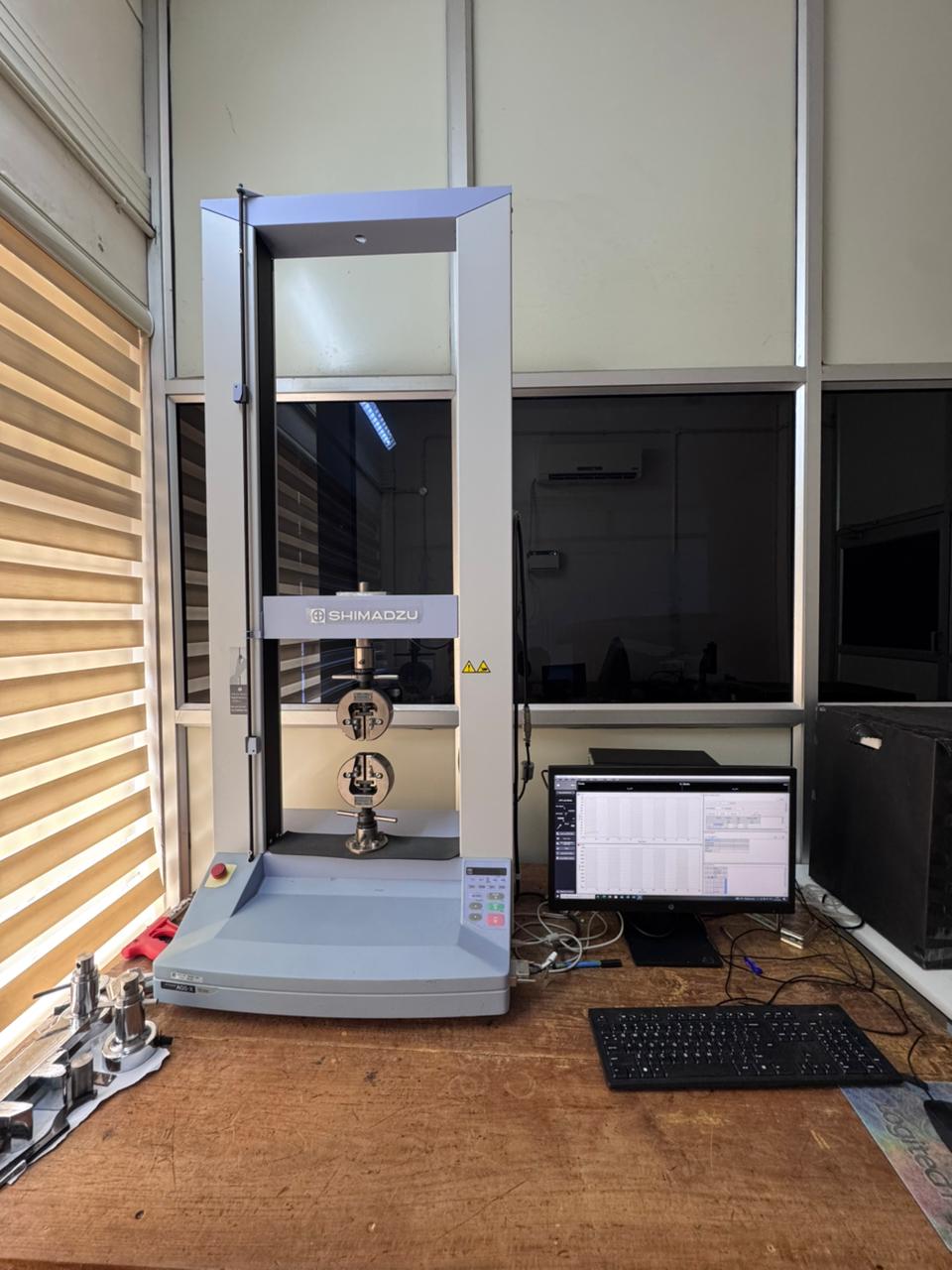
Shimadzu UTM
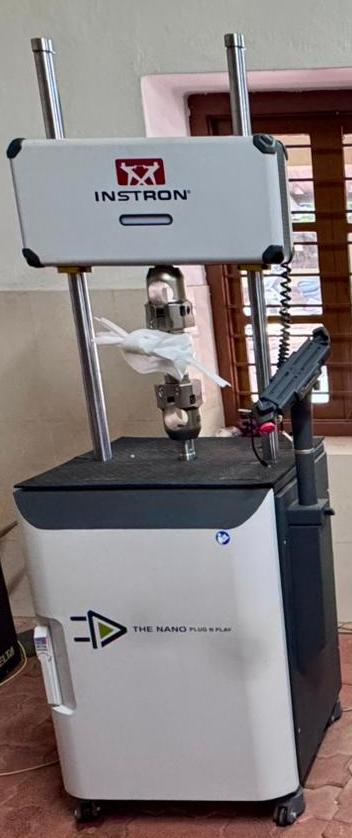
Instron Testing System
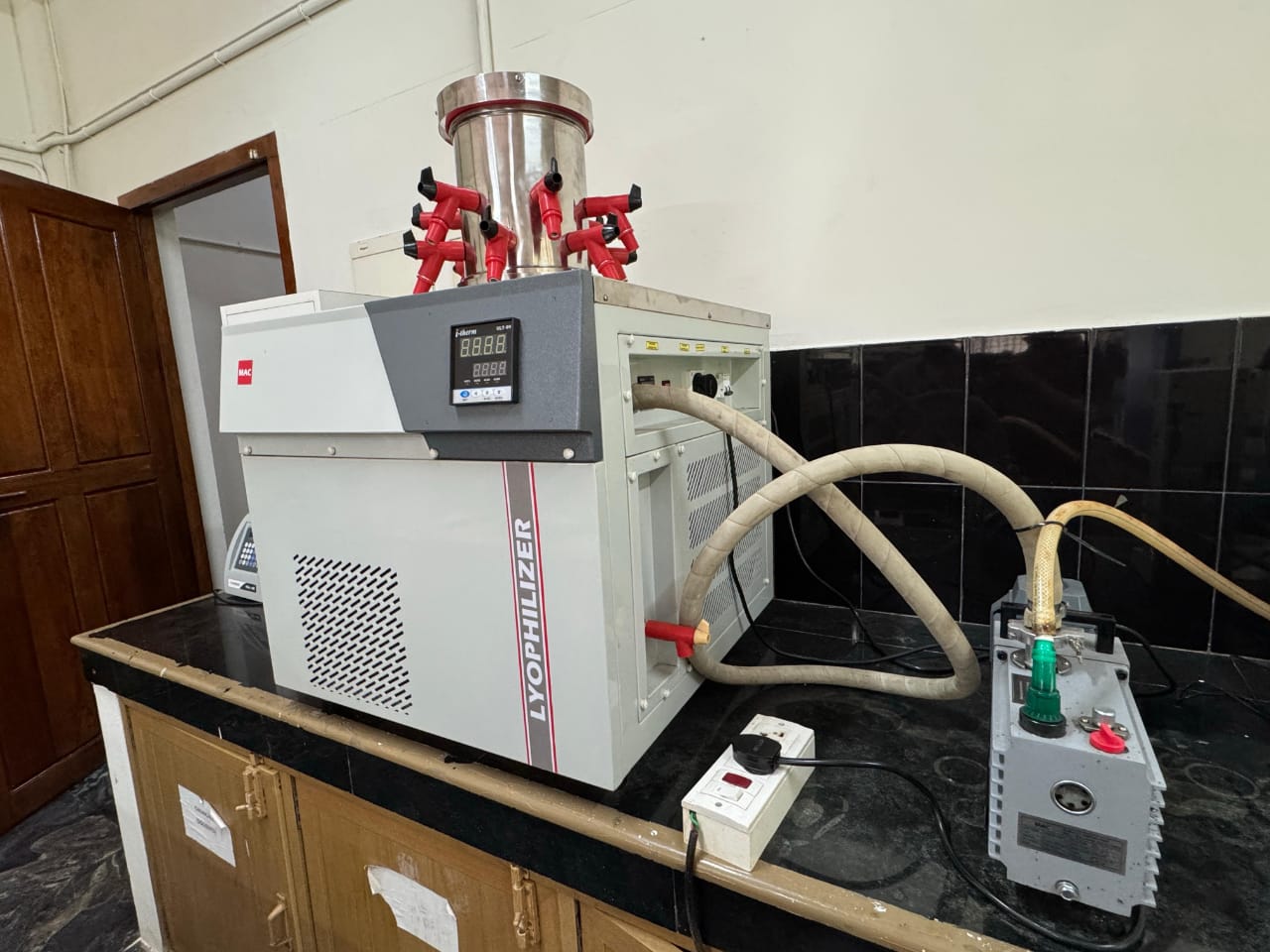
Lyophilizer
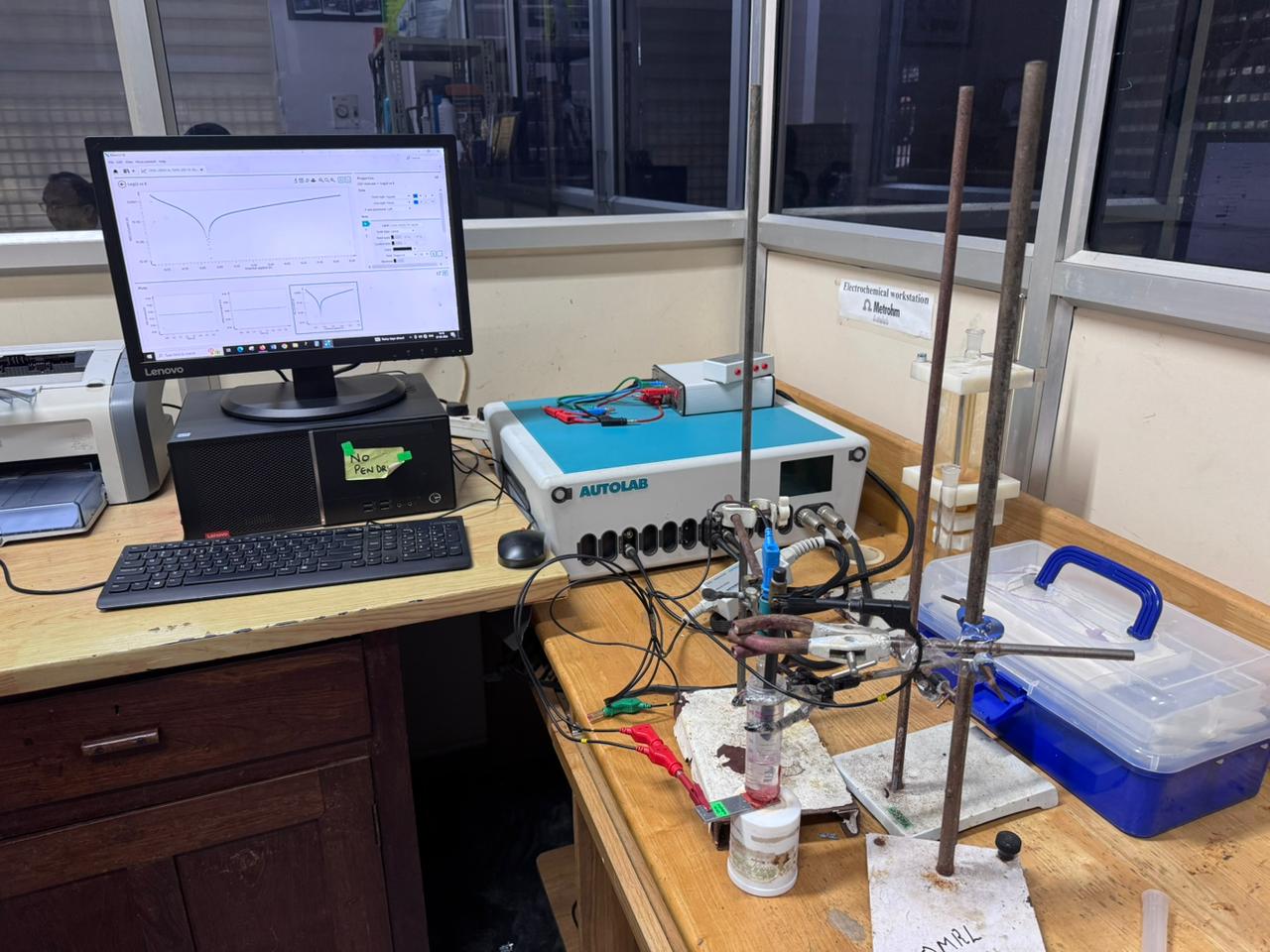
Electrochemical Workstation
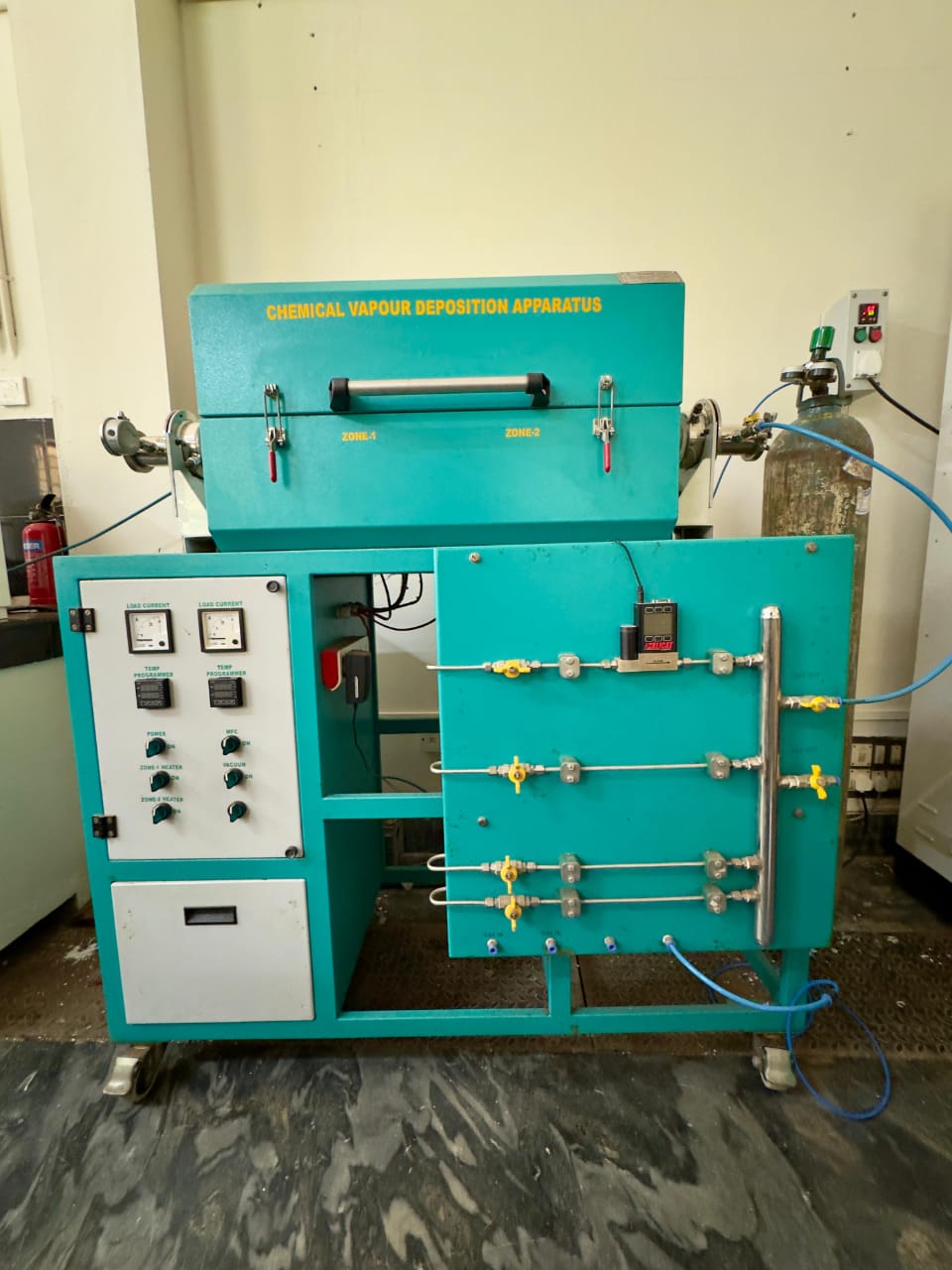
CVD Apparatus
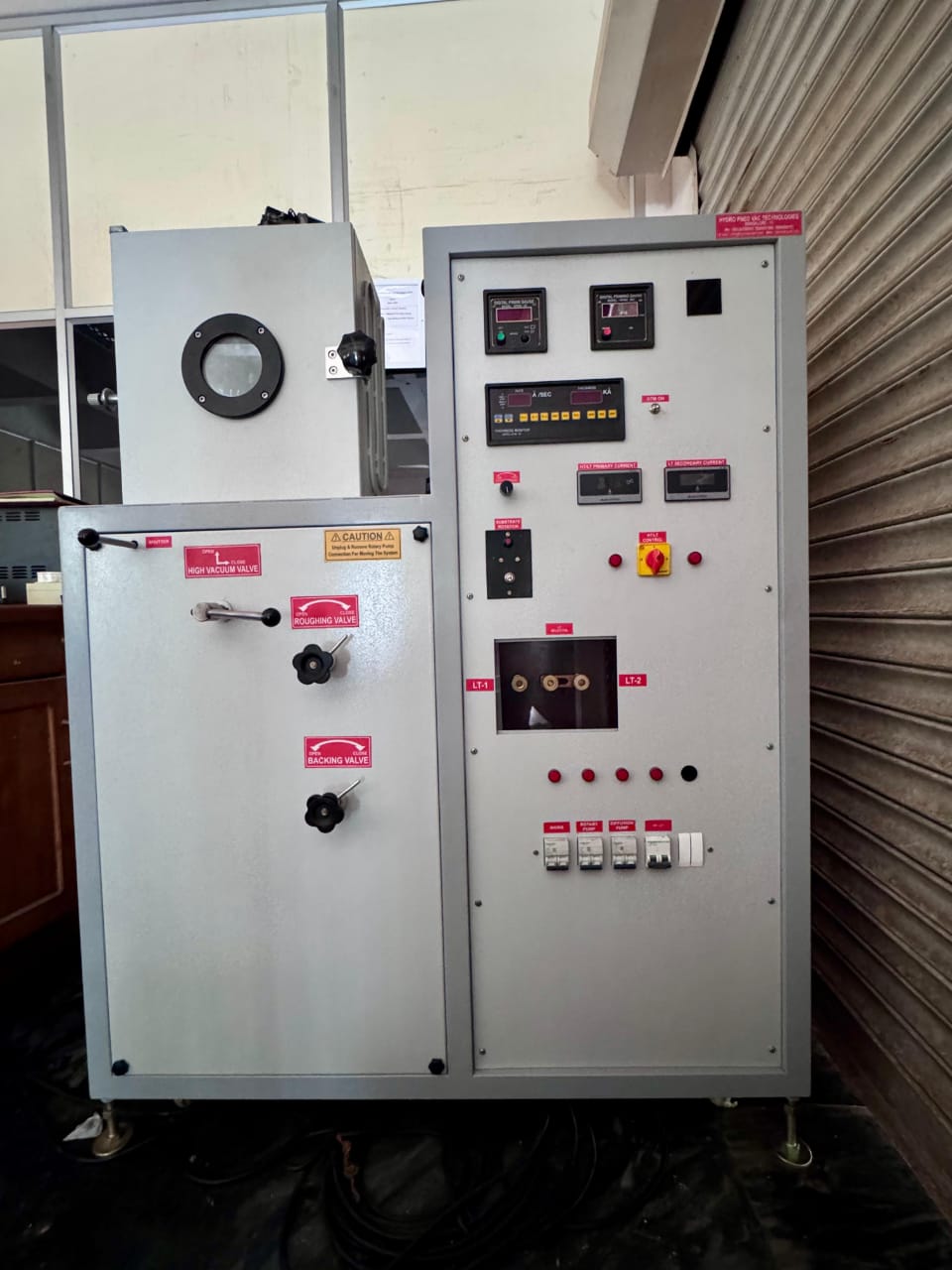
Vacuum System
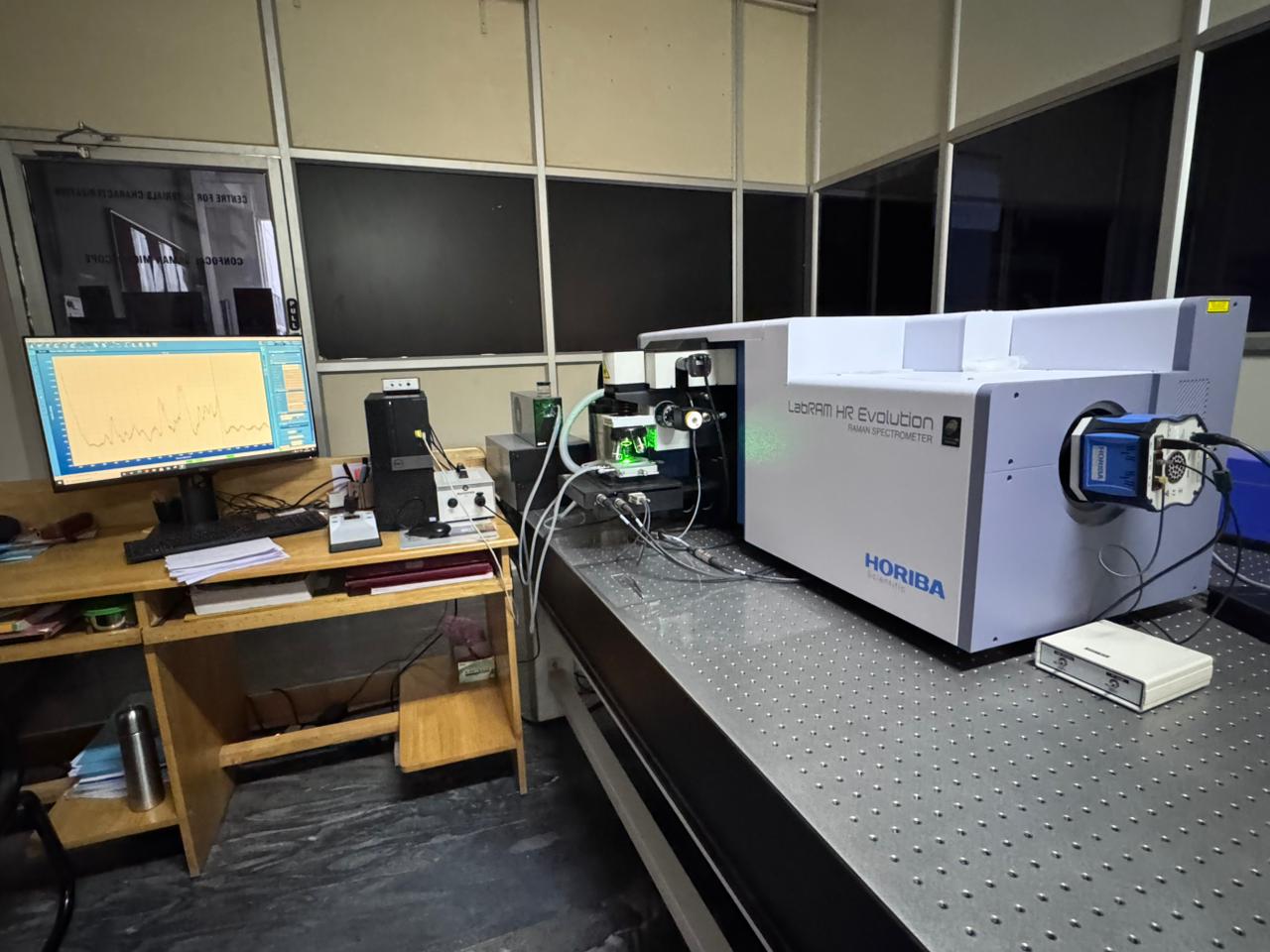
Raman Spectrometer
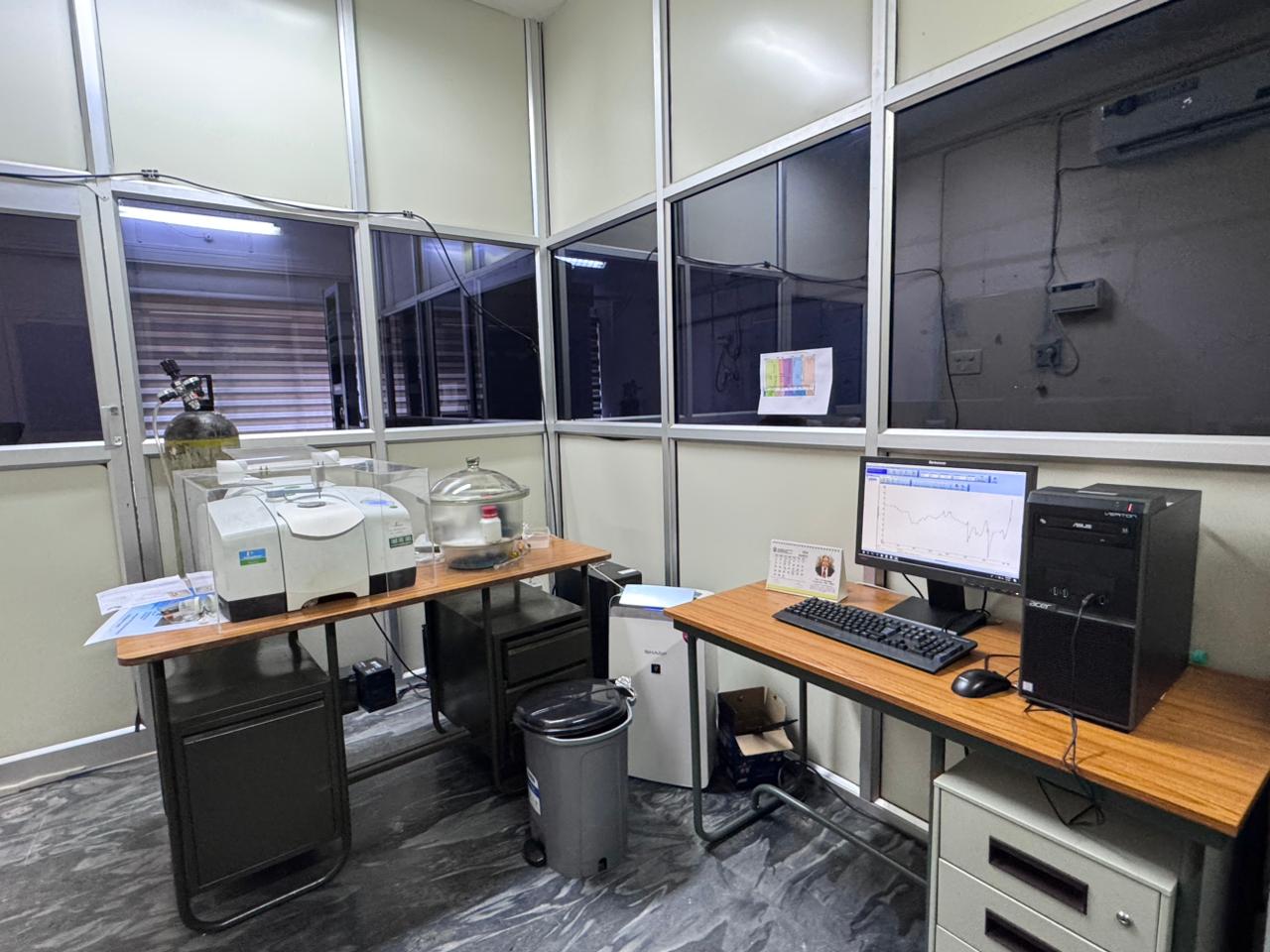
UV-Vis/FTIR Setup
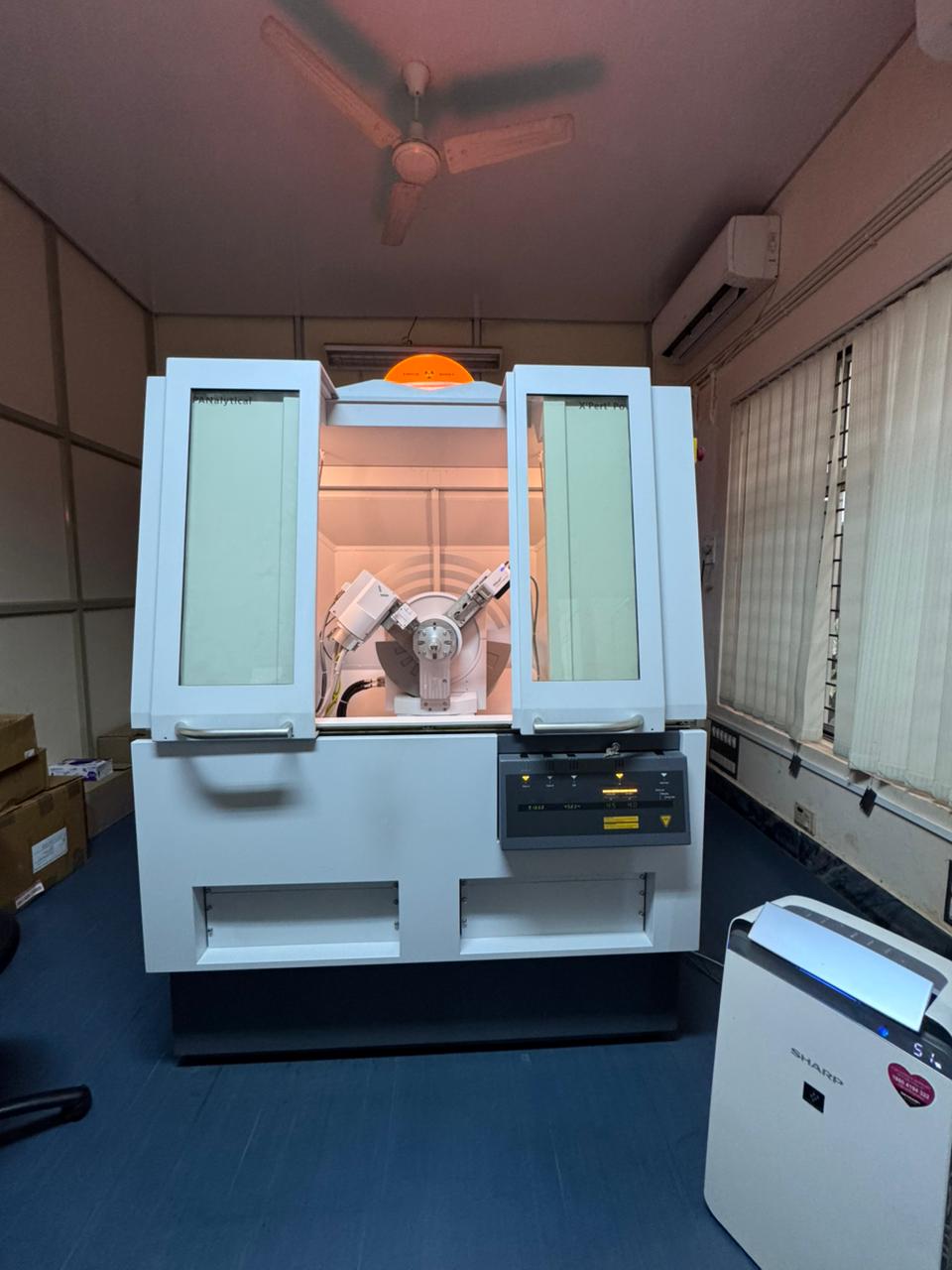
PANalytical XRD
Placements & The ₹26 LPA Reality
Does it pay well? The placement data firmly says yes. Material Science engineers are being actively recruited by top tech, manufacturing, and R&D firms.
| Company | Focus Area | Salary Package |
|---|---|---|
| Intel | Semiconductor Fabrication | ₹26 LPA |
| Infosys | Engineering Analysis | ₹15 LPA |
| Micron | Semiconductor Manufacturing | ₹15 – ₹18 LPA |
| JSW, Hyundai, Saint-Gobain | Core Manufacturing & R&D | Top Industry Standards |
“A student’s CGPA is often the gatekeeper. While skills are vital, top companies like Intel use CGPA to shortlist the best talent. Don’t let your guard down after JEE!” — Dr. Shijo Thomas
The Roadmap to Success: 4 Skills You Need
To stand out to recruiters and academic panels in 2026 and beyond, you must build expertise outside the standard curriculum:
1. Design Software
Mastering tools like SolidWorks and ANSYS is non-negotiable for students entering design and analysis roles.
2. Material Modeling
Learn computational methods to predict material behavior digitally before synthesizing it physically in a laboratory.
3. Internships
Spend your 2nd and 3rd-year breaks in an industry setting or academic lab. Hands-on project reports make your resume stand out.
4. Upskill Beyond Syllabus
Take advantage of platforms like NPTEL or Coursera to specialize in trending niches like AI & Machine Learning for materials.
Frequently Asked Questions
Can I go abroad for higher studies after B.Tech in Material Science?
Absolutely. It serves as an excellent stepping stone. NIT Calicut graduates have secured direct PhDs at US universities like Johns Hopkins and won the prestigious, fully-funded Erasmus Mundus Fellowship in Europe.
Can a Mechanical Engineering student pursue M.Tech in Material Science?
Yes. B.Tech Mechanical (and allied branches like Automobile or Production) graduates, as well as students with M.Sc in Physics or Chemistry, are eligible to pursue M.Tech in Material Science.
What role does CGPA play during campus placements?
While skillsets are crucial, major recruiters use CGPA as an initial filter. Having a CGPA above 7.5 or 8.0 is often required to be shortlisted for top-tier companies.
Watch the Full Exclusive Interview!
Want to dive deeper into the scope, syllabus, and future of B.Tech Material Science? Watch our complete discussion with Dr. Shijo Thomas below.